Cause to Celebrate
Exploring European, Mediterranean, and Asian celebrations from the past
Europe and the Mediterranean: May 7th
Asia: May 8th
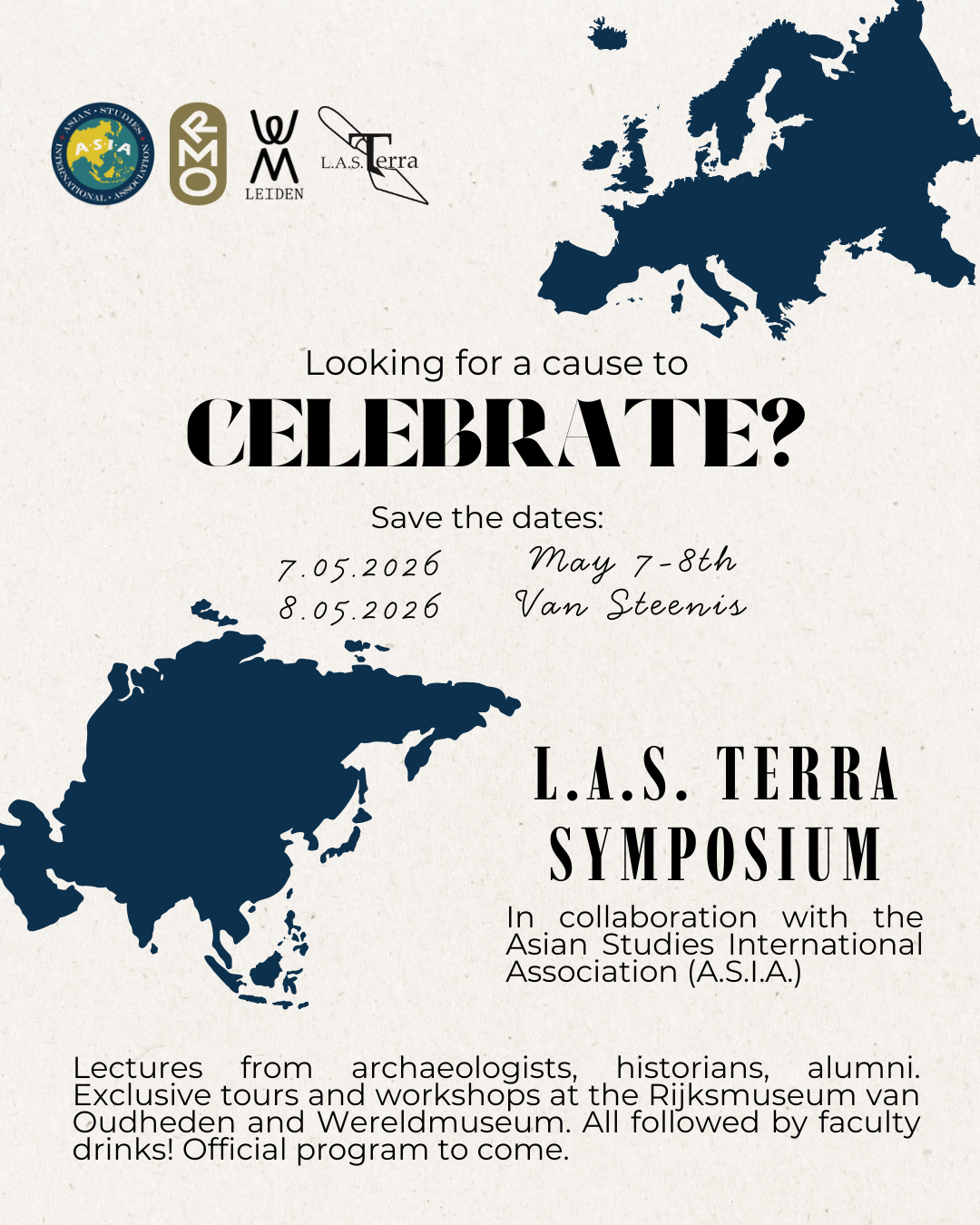
2026 so far has been a year of Terra celebration, but we're not done yet!
Join us at the yearly L.A.S. Terra symposium on May 7th and 8th for two days packed full of lectures, museum tours, and workshops.
Expect riveting discussions of celebrations in Islamic Spain, protective deities and their festivals in early modern East Asia, prehistoric rituals in Japan, and more. Additionally, we will be providing opportunities for workshops at the Wereldmuseum, as well as tours of collections at the Wereldmuseum and RMO, custom-made for celebrations!
Interested in attending? Mark these dates in your calendars. As we approach the event, we’ll also open spots for workshops and tours, so stay tuned!

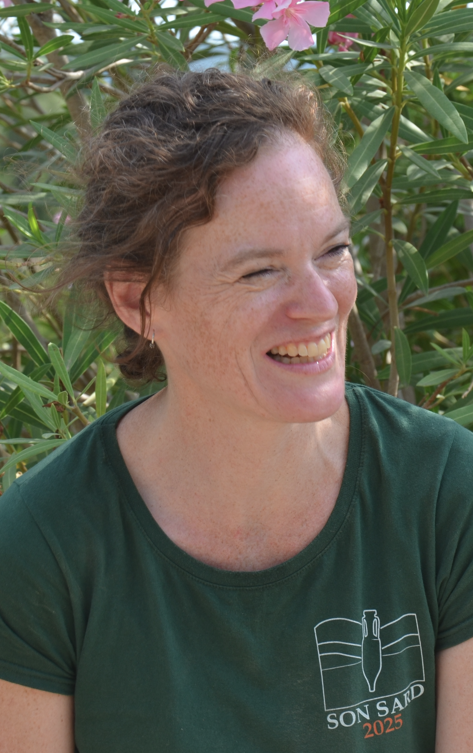
Dr. Martijn Manders
May 7th ~ 12:15, Reuvenshall
Superstition at Sea. How celebration and fear have formed maritime cultures.
Dr. Manders’ presentation explores traditions in which water and the maritimity of society are celebrated, but also feared.
“Through examples from Europe, I will show how important the seas, rivers, and lakes have been in society and how religion, superstition, and traditions have been intertwined in maritime cultures all over the world, as well as how they reflect on the material culture we investigate as archaeologists. To do that, we look at traditions that are still part of our society, but also into the details of (maritime) archaeological excavations in the past.”
Weston Kennedy, PhD Candidate

“The study of foodways through ceramics can greatly contribute to the reconstruction of societal, agricultural, and dietary practices and habits. By inspecting the forms, fabrics, and potential uses of different ceramic vessels, their functions can be reconstructed. Along with the usage of historical sources, further insights into ingredients, cultural implications, and the process of change become available. This presentation will work to bridge the gap between archaeology and food history by presenting the coarse wares and cooking pottery from Ta’as, within their historical and archaeological context. By establishing hypotheses for the use cases for coarse wares, cooking pottery, and common wares from Ta’as, I aim to more fully reconstruct the habits of eating and drinking in Early-Islamic inland Syria.”
Non-elite dining in early-Islamic North Syria: preliminary results from a rural Euphrates site
May 7th ~ 13:00, Reuvenshall
Milena Blokzijl, M.A.

“This lecture will present how concepts of community and communal celebration in Umayyad al-Andalus were influenced by top-down control and bottom-up agency. Al-Andalus is nowadays arguably most well-known for its multi-cultural society. The lecture opens with an introduction to the history of al-Andalus around the time of the Umayyad Conquest, before moving on to the concept and reality of “convivencia” in al-Andalus. Main opposing theories will be briefly presented, as well as how I take it to matter in light of “communal identity”. We then move on to how Umayyad society functioned within this sphere of “convivencia”, and how this affected communal rituals and celebrations. This goes into discussion of what “community” was in al-Andalus, and how this was shaped and enforced. Vital here is the interplay between the concepts of top-down control and bottom-up agency, versus core-periphery theories. The presentation will illustrate how we may still employ this theory to understand how societies functioned in al-Andalus.”
“Better to celebrate with a nearby neighbour than to obey a brother far away”: Community, convivencia, and control in Umayyad al-Andalus
May 7th ~ 13:45, Reuvenshall
Dr. Letty ten Harkel
Celebrating past lives: an early medieval cemetery from Dorestad, NL
May 7th ~ 15:00, Reuvenshall

Dr. Martina Revello-Lami
May 7th ~ 15:45, Reuvenshall
Materialising celebration: Votives, feasting, and funerary display in Central Tyrrhenian Italy
What does “celebration” look like in the archaeological record? This paper explores how moments of social and ritual significance become materially visible—or remain elusive—through a comparative study of Central Tyrrhenian Italy. Focusing on three contexts, it examines the extent to which celebration can be identified through patterned deposition and object selection. Votive deposits from Satricum provide a clear case of intentional, cumulative practice, where repeated acts of offering produce archaeologically legible concentrations of material. By contrast, evidence for feasting in Etruria—often inferred from the presence of drinking vessels and amphorae in funerary assemblages—raises more ambiguous questions about the relationship between use, representation, and ritual performance. Finally, a comparison between funerary contexts at Satricum and Pofi highlights local variability in the material expression of commemoration, particularly in the selective inclusion or absence of specific artefacts. Rather than assuming celebration as a self-evident category, this paper asks how it is constructed, mediated, and sometimes obscured in the archaeological record. By juxtaposing structured votive deposition, equivocal traces of feasting, and divergent funerary practices, it argues that celebration is not a universal material signature but a culturally specific process, only partially accessible through its surviving traces.
Frank Wiersema

May 7th ~ 16:30, Reuvenshall
What did the dead drink? A study into Corded Ware and Bell Beaker vessel content
Ceramic vessels are an abundant find material and are well studied. Beakers appear often in Corded Ware archaeological and Bell Beaker graves, yet what their content was is poorly understood. This effectively means that we do not know what this specific grave offering was. Frank Wiersema is a master student who applies the use-wear analysis to tackle this question. He will discuss his research and the role of alcohol and feasting in prehistoric societies.

Noud Visser
May 8th ~ 12:15, Reuvenshall
Walking the Buddha’s Life: Narrative, Colour, and Celebration in Gandharan Stupas.
This presentation aims to connect the theme of celebration to Gandharan Buddhism, arguing that it is not only located in festivals, but also in the ritual practice of circumambulating stupas. Approaching it through the idea of Gandharan religious material culture, it highlights that meaning is not merely fixed within objects; in religious settings, it can also be produced through the interaction among observer, depiction, and movement. The material case study focuses on narrative reliefs that decorated the circular-shaped stupas, exploring how the chronological life of Gautama Buddha was experienced through observer movement. Worshippers walk around the stupa to create an often-chronological interaction with the Buddha’s biography. This is achieved through a combination of material visual strategies, such as subject-dependent scaling, compositional guidance, and symbolism.
Dr. Jennifer Swerida

May 8th ~ 13:00, Reuvenshall
Celebrating Arabian Oases: Ancient Heritage Landscapes or Orientalist Lies?
In the archaeology of Arabia, oases are celebrated settings for studies of past cultures. Beginning with the Early Bronze Age, oases are viewed as pivotal nodes of concentrated resources that served as stages for developments in social complexity. This oasis-centered model of proto and early historic Arabia is enshrined in scholarly discourse and public imagination by investments in heritage-based tourism focused on oasis sites. However, there is limited archaeological or epigraphic evidence to support a direct analogy between ancient sites and traditional (modern) Arabian oasis communities. This presentation discusses Arabian oases in light of available archaeological and ecological data, while also examining classical Islamic literature to evaluate how such landscapes were conceptualized in historical discourse.
Dr. Ilona Bausch

May 8th ~ 13:45, Reuvenshall
Celebrations in Prehistoric Japan
For communities with a relative lack of social differentiation, such as the hunter-gatherers of the Jōmon period (c. 14,000-300 BCE), there are various causes for great celebration. These could include joyful events such as rites of passage, the birth of a child, calendrical events, ritual encounters with ancestors, or the Spirit World. Of course, there is a great deal of chronological and regional diversity. In the absence of written sources, archaeological data and material culture provide tantalising glimpses into various types of celebratory occasions: decorated ceramics and the organic remains of large quantities of food and alcohol for feasting; special adornment for festive costumes; ritual artefacts such as clay figurines and phallic stone rods. There are also special structures for liminal zones and depositional areas for offerings. Although we cannot know the exact nature of the Jōmon worldview, ethnographic analogies can shed some further light on the nature of various festive practices.
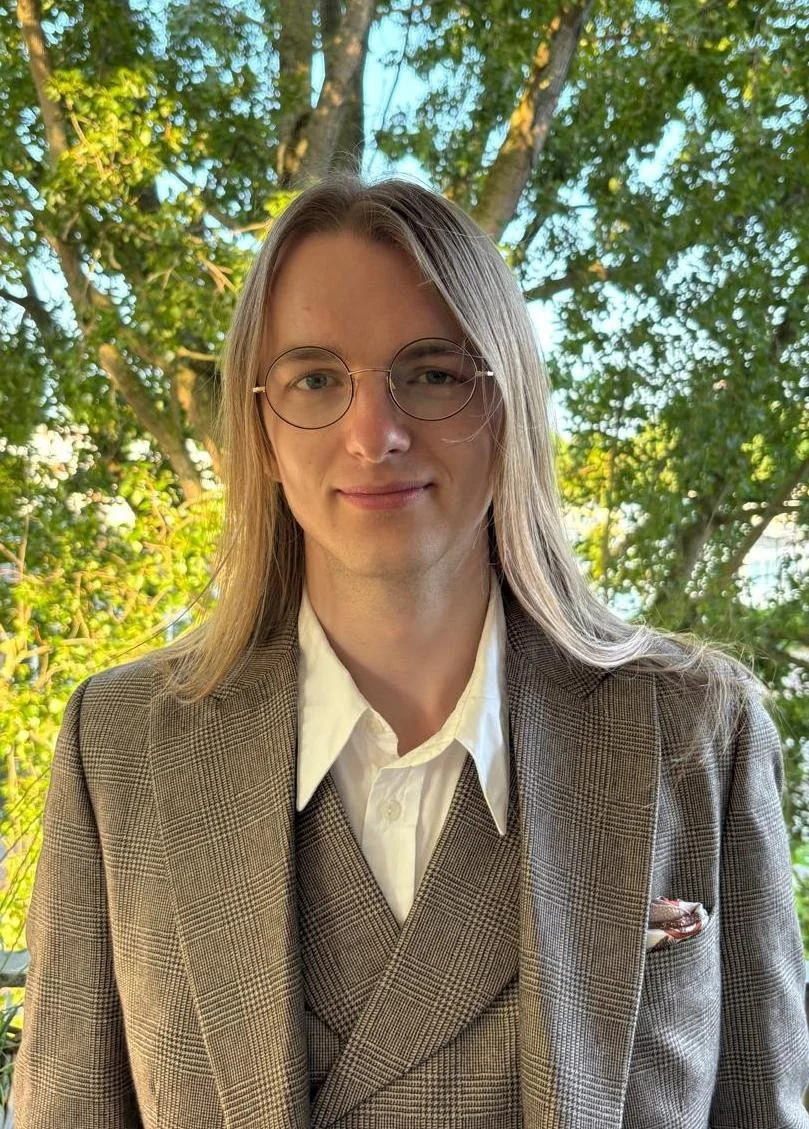
Luca van Leeuwen
May 8th ~ 15:00, Reuvenshall
Netsuke: immaterial culture in material miniature
18th through 20th-century Japan saw a lively trade in belt toggles called netsuke. These miniature carvings were made chiefly of wood or ivory and became a popular form of collectible artworks. This talk will discuss depictions of festivals, song, and dance in netsuke art, and show how material culture can allow us to research immaterial culture from a new angle.
Jonathan Ouellet, PhD Candidate

May 8th ~ 15:45, Reuvenshall
Islamic Coins, Lasting Insights: Celebrating the People and Scholarship Behind the Field
Islamic numismatics offers more than the study of coins; it provides a lens into the political, economic, and cultural landscapes of Asia across centuries. This talk highlights the enduring contributions of scholars who have built and sustained the field, from early cataloguers to contemporary researchers in Central Asia. By exploring the scope, themes, and methodologies of Islamic numismatics, we celebrate both the objects themselves and the generations of scholars whose meticulous work has made these insights possible.
Dr. Fan Lin & Dr. Doreen Müller
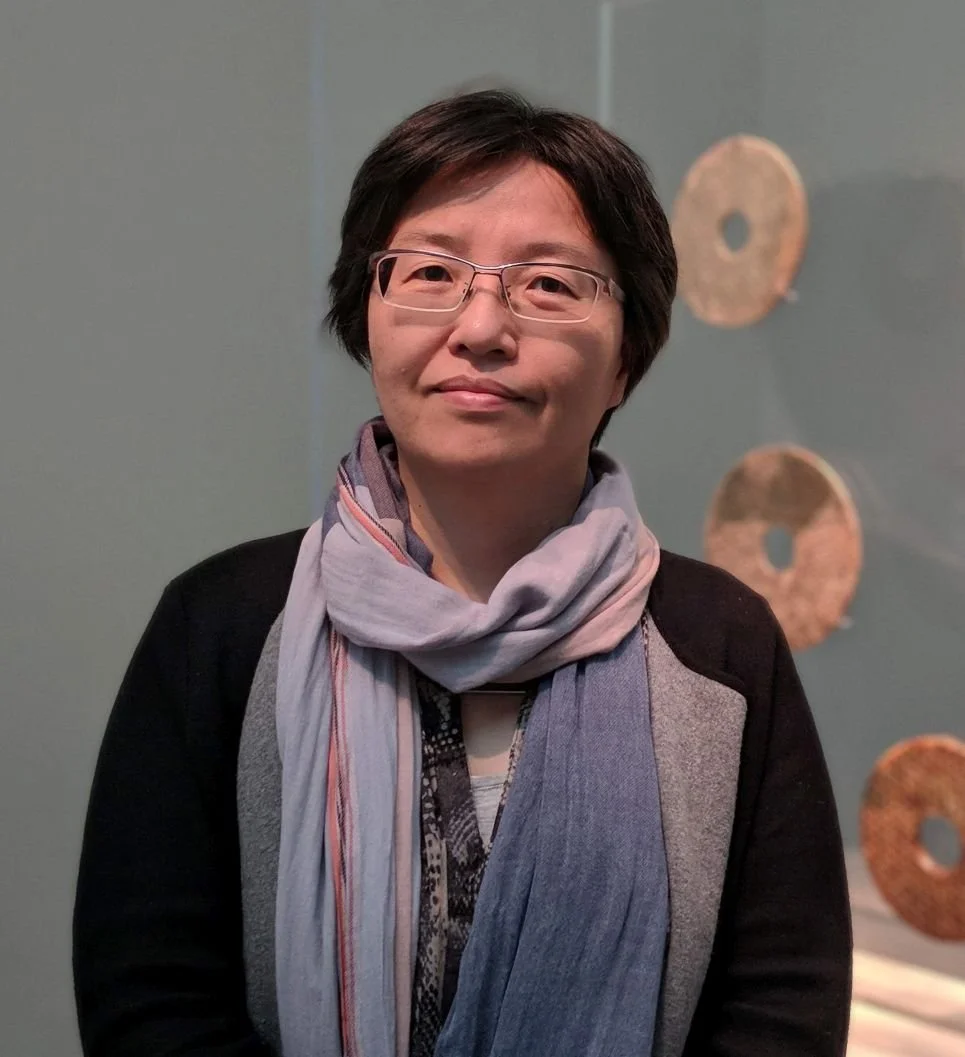
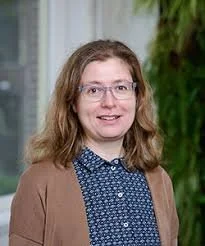
May 8th ~ 16:30, Reuvenshall
Celebrating the Demon Queller Zhong Kui/Shōki in Early Modern East Asia
The demon queller (Chinese: Zhong Kui, Japanese: Shōki) straddled the porous divide between the world of ghosts and the world of the living in early modern China and Japan. He started as a ghostly apparition protecting the emperor in medieval China. In the popular imagination, he embodied both human traits and apotropaic powers, protecting homes and travelers against demons and disease. This presentation explores how widespread familiarity with the demon queller engendered infinite modes of drawing him close to the human world in early modern China and Japan. His image became embedded in everyday urban life, appearing capriciously as a fearsome warrior, a solitary scholar, a companion to children, or even an old man peeping at young women. The malleable images of the demon queller not only offered protection against demons and disease but also responded to the evolving social and physiological needs of early modern life..
In addition to our twelve presentations on celebrations of the past, several tours, a workshop, and a drink reception are free to attend for all participants
Workshops & Tours